
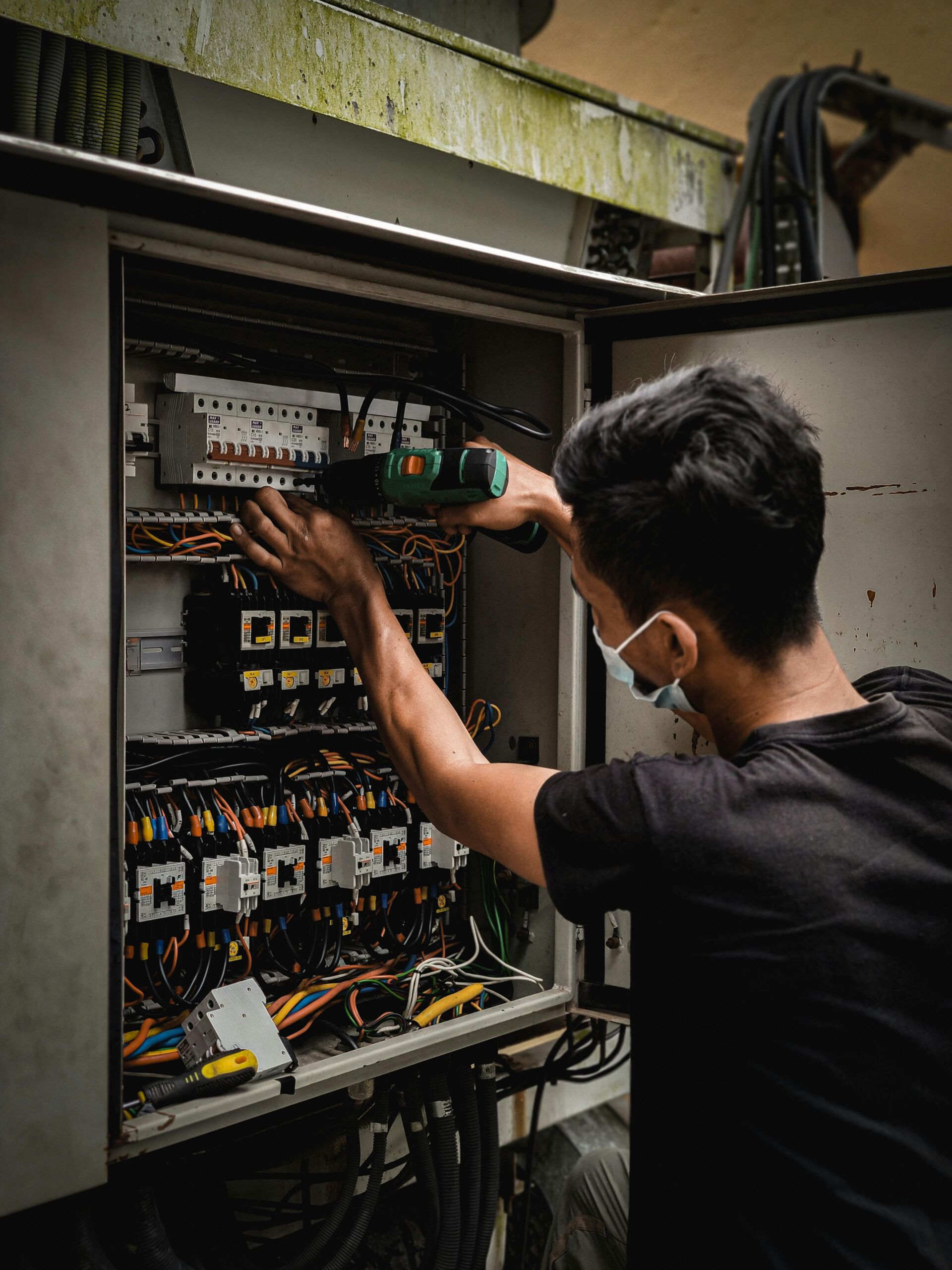
Starting a new commercial venture or renovating an existing space in New Zealand is exciting. But let’s be real, navigating the intricacies of commercial electrical installations can feel like walking a tightrope. One wrong step, and you’re looking at costly delays, safety hazards, or even complete system failures. Trust me, it happens more often than you’d think.
So, what are these common pitfalls, and how can you steer clear of them? Let’s break down the most frequent mistakes in commercial electrical installations we see in NZ, and how to make sure your project goes smoothly.
Underestimating Power Requirements: Setting Yourself Up for Failure
One of the biggest blunders we see is underestimating the power needs of a commercial space. It’s easy to think, “Oh, we’ll just add more outlets later.” But that “later” often involves tearing down walls and ripping up floors, costing you time and money.
To avoid this, you need to:
- Accurately Calculate Load: Don’t just guess. Factor in every piece of equipment, from computers and lighting to heavy machinery and HVAC systems.
- Plan for Future Growth: Think about expansion. Will you be adding more equipment or staff down the line? Build in some headroom.
- Consult with Professionals: Don’t rely on guesswork. Get a qualified electrician to conduct a thorough load calculation.
Getting this right from the start ensures your electrical system can handle your current and future demands.
Ignoring Compliance with NZ Standards: Playing with Fire

New Zealand’s stringent electrical safety standards exist for critical reasons, and ignoring them is not only illegal but also poses significant safety risks. Adherence to NZECP 34, the building code, and local council regulations is non-negotiable, as skipping corners can lead to severe safety hazards and legal complications.
To ensure compliance, it is imperative to hire fully licensed electricians who are up-to-date with NZ electrical codes, obtain all necessary permits and approvals before commencing any work, and ensure that all work is thoroughly inspected and certified. Compliance isn’t a mere option; it’s an absolute necessity for the safety and legality of your commercial electrical installations.
Poor Cable Management: Creating a Tangled Mess
While seemingly a minor detail, cable management can lead to significant complications down the line, as a disorganized tangle of wires not only creates an unsightly appearance but also poses a fire hazard and makes maintenance a challenging endeavor. To maintain order and prevent such issues, it is essential to utilize proper conduits and cable trays to keep cables organized and protected, clearly label all cables and circuits for easy identification, and plan for future expansion by leaving room for additional cables and connections. Implementing organized cabling simplifies maintenance procedures and prevents costly troubleshooting efforts.
Neglecting Emergency Systems: When Things Go Wrong
Emergency lighting, backup generators, and fire alarm systems are absolutely critical for any commercial space, and compromising on these can lead to disastrous outcomes during an emergency. To guarantee safety, reliable backup systems must be installed, avoiding reliance on a single power source, regular testing should be performed to ensure the correct functioning of all emergency systems, and emergency lighting and exit signs should be strategically placed for optimal visibility and direction. Emergency systems are your essential safety net, and their importance should never be underestimated.
Overlooking Ventilation and Cooling: Keeping Things Cool
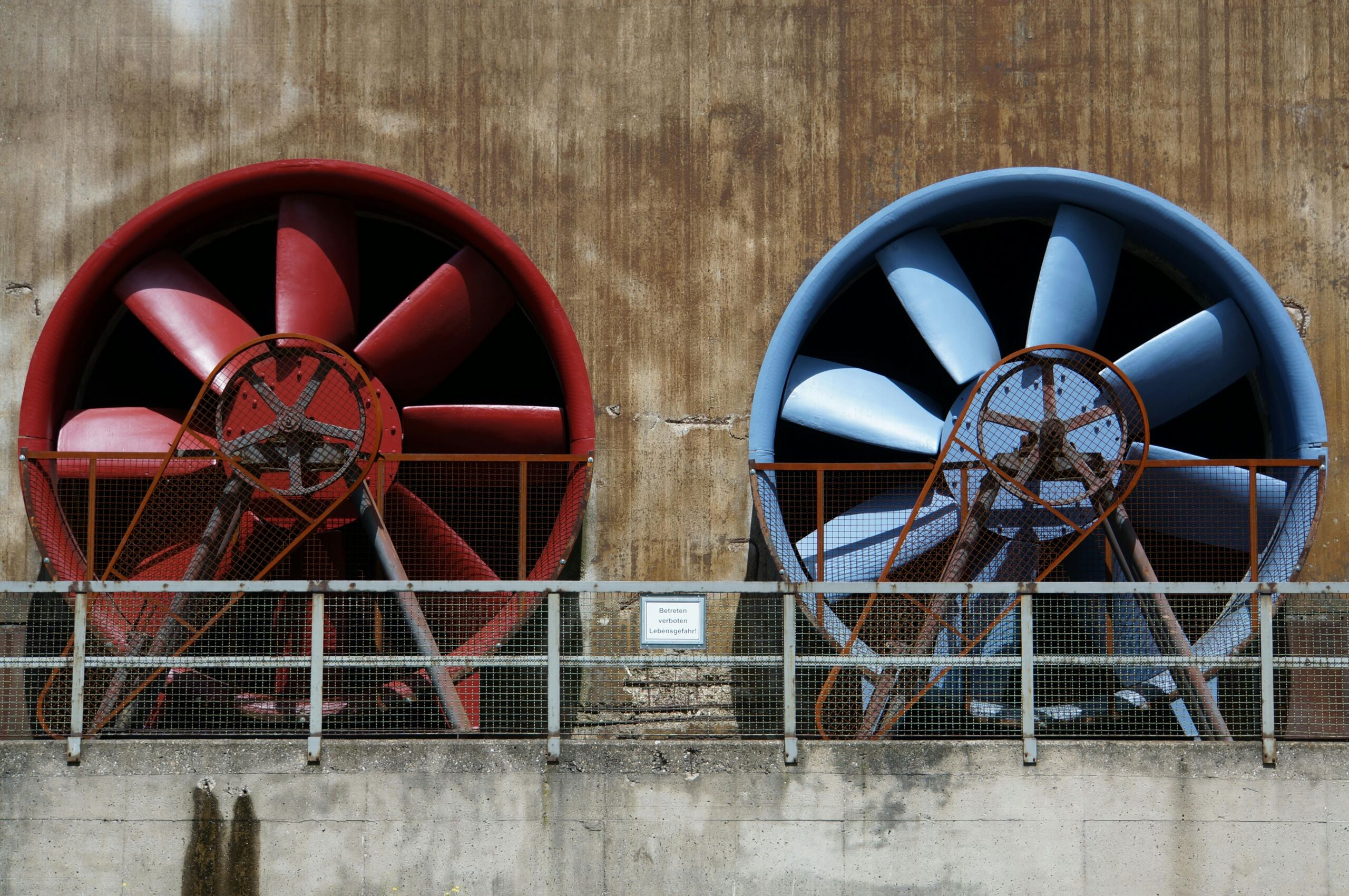
Given that electrical equipment inherently generates heat, which can accumulate rapidly in a commercial environment, neglecting adequate ventilation and cooling measures can result in equipment failures and even fire hazards. To prevent overheating, it’s essential to ensure proper airflow around electrical panels and equipment, install appropriate cooling systems for server rooms and other heat-sensitive areas, and implement a schedule for regular cleaning and maintenance of ventilation systems. Maintaining optimal temperatures is crucial for the longevity and safety of your electrical systems.
Choosing the Wrong Contractor: A Recipe for Disaster
Selecting the wrong electrical contractor is arguably the most critical error you can make, as it extends beyond mere pricing to encompass experience, reliability, and clear communication. To mitigate this risk, thoroughly check credentials, verifying licenses, certifications, and insurance coverage; solicit references and engage in detailed conversations with past clients to gauge their experiences; obtain detailed quotes that leave no room for ambiguity; and prioritize a team that demonstrates effective and transparent communication.
The right contractor can significantly influence the success or failure of your project. Dealing with commercial electrical installations is inherently complex, and partnering with a team that understands the nuances of these projects is vital to avoid costly mistakes. By proactively avoiding these common pitfalls, you can ensure your commercial electrical installations are safe, efficient, and reliable. Remember, proper planning and professional execution are the cornerstones of a successful project.
If you’re seeking a reliable and experienced electrical contractor in New Zealand for your commercial electrical installation needs, look no further than Prolectrix. Visit us at prolectrix.co.nz today to get a consultation and ensure your project’s success.
Conclusion
In essence, navigating commercial electrical installations in New Zealand demands a keen awareness of potential pitfalls and a commitment to meticulous planning. From underestimating power requirements and ignoring compliance with stringent NZ standards to overlooking cable management, emergency systems, ventilation, and the crucial selection of a qualified contractor, each area presents opportunities for costly errors.
By prioritizing accurate load calculations, adhering to regulatory requirements, maintaining organized cabling, ensuring robust emergency systems, implementing adequate cooling, and partnering with experienced professionals, businesses can mitigate risks and ensure safe, efficient, and reliable electrical systems. Ultimately, proactive planning and informed decision-making are paramount for successful commercial electrical installations, safeguarding both the project’s integrity and the business’s long-term operational success.