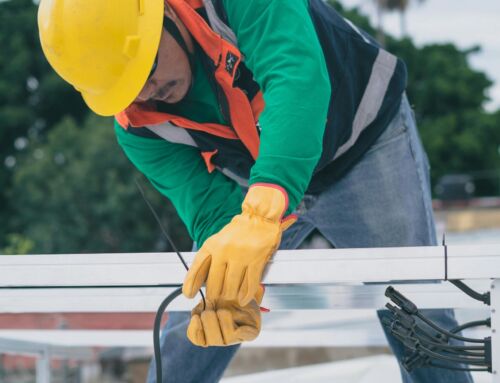

Let’s face it, keeping a commercial building up-to-date in New Zealand can feel like a constant balancing act. One area that often needs attention, especially as businesses grow or technology evolves, is the electrical system. You might be thinking about increasing your power capacity, installing new lighting, or integrating modern tech. Whatever the reason, preparing your commercial building for electrical upgrades is crucial for a smooth, safe, and efficient process.
So, you’re ready to take the plunge and improve your building’s electrical infrastructure. Where do you start? Let’s break it down into manageable steps, making the process less daunting and more like a well-planned project.
1. Conduct a Thorough Assessment: Understand Your Needs
Before any work begins, you need to understand your current electrical situation. This means conducting a thorough assessment of your building’s electrical system. Think of it as a health check-up for your building. You’ll need to consider:
- Current Power Consumption: How much power are you currently using?
- Future Power Needs: Are you planning to expand your business or add new equipment?
- Existing Wiring and Panels: Are they outdated or insufficient?
- Lighting Requirements: Are you looking to improve energy efficiency or change the lighting layout?
- Technology Integration: Are you incorporating new technologies that require specific electrical setups?
This assessment will help you determine the scope of your electrical upgrades and ensure that the new system meets your present and future needs.
2. Develop a Detailed Plan: Mapping the Way Forward
Once you understand your needs, it’s time to develop a detailed plan. This plan should outline the specific upgrades you’re making, the timeline for the project, and the budget. You’ll want to consider:
Electrical Schematics
Creating or updating electrical schematics is a critical step in developing a detailed plan for your electrical upgrades. These schematics serve as a visual representation of your building’s electrical system, showing the layout of circuits, wiring, and equipment. They provide a clear understanding of the existing system and help electricians plan the new upgrades effectively. Accurate schematics are essential for ensuring that the new system is installed correctly and meets all safety standards.
Permits and Approvals
Before any electrical work begins, it’s crucial to obtain all the necessary permits and approvals from local authorities in New Zealand. These permits ensure that the upgrades comply with building codes and electrical safety regulations. Failure to obtain the required permits can result in delays, fines, or even the need to redo the work. It’s essential to work with a qualified electrician who is familiar with the permitting process and can help you navigate the requirements.
Material Selection
Choosing high-quality materials is essential for ensuring the safety and longevity of your electrical upgrades. Select materials that meet New Zealand’s electrical safety standards and are suitable for the specific application. Using substandard materials can lead to electrical hazards, equipment failures, and costly repairs. It’s crucial to work with a reputable supplier and choose materials that are designed for commercial use.
Contractor Selection
Selecting a qualified and experienced electrician is crucial for the success of your electrical upgrades. Look for electricians who are licensed, insured, and have a proven track record of completing similar projects. They should be familiar with New Zealand’s electrical safety standards and have the expertise to handle complex electrical installations. A well-chosen contractor will ensure that the work is done safely, efficiently, and to your satisfaction..
A well-developed plan will help you avoid costly mistakes and ensure that the project stays on track.
3. Prepare the Building: Getting Ready for Work
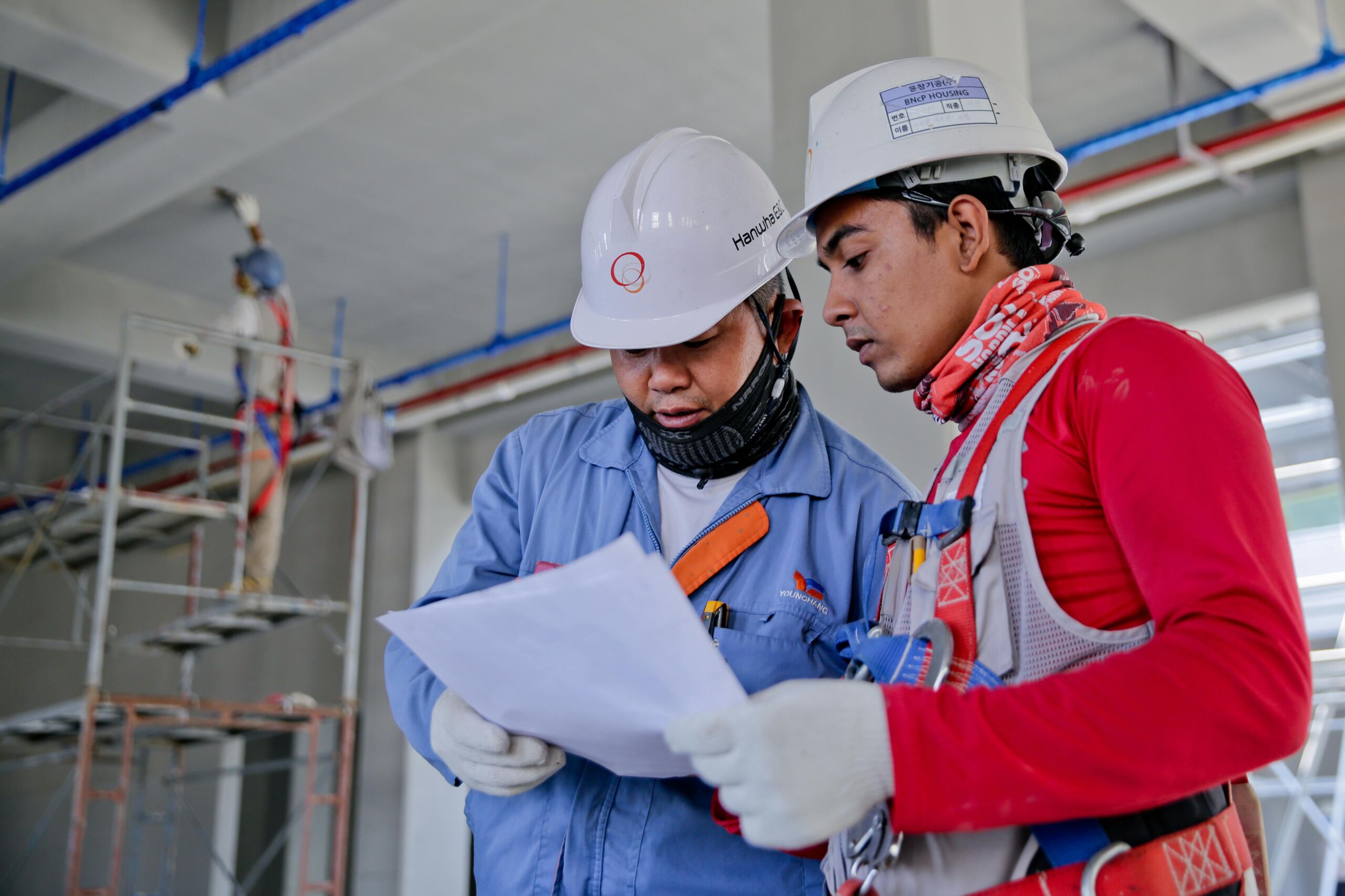
Before the electricians arrive, you’ll need to prepare the building for the electrical upgrades. This might involve:
Clearing Work Areas
Before the electricians arrive, it’s essential to clear the work areas of any furniture, equipment, or other obstructions. This ensures that the electricians have ample space to work safely and efficiently. Removing these obstacles prevents potential damage to your belongings and minimizes the risk of accidents during the electrical upgrade process. Clear pathways and accessible work zones allow the electricians to complete their tasks more quickly, reducing the overall disruption to your business operations.
Protecting Sensitive Equipment
If your commercial building houses sensitive electronic equipment, such as computers, servers, or medical devices, it’s crucial to take precautions to protect them during the electrical upgrades. Cover or move these items to prevent damage from dust, debris, or accidental contact with electrical tools. Proper protection of sensitive equipment can save you from costly replacements or repairs and ensure that your business operations continue smoothly during the upgrade process.
Communicating with Staff
Inform your staff about the upcoming electrical upgrades and any potential disruptions to their work routines. Clear communication is essential for managing expectations and minimizing anxiety. Provide them with a schedule of the work, explain any temporary power outages or noise they might experience, and address any concerns they may have. This proactive communication helps maintain a positive work environment and avoids any misunderstandings.
Shutting Down Non-Essential Systems
To ensure the safety of both the electricians and your staff, shut down any non-essential electrical systems before the work begins. This includes turning off lights, computers, appliances, and other equipment that are not critical for immediate operations. By minimizing the active electrical load, you reduce the risk of electrical hazards and create a safer working environment for the electricians. This also allows the electricians to work more efficiently, as they won’t have to navigate around active electrical circuits.
4. Ensure Safety Measures: Prioritizing Protection
Safety is paramount during any electrical work, and you’ll need to implement several measures to protect everyone involved. This includes using proper signage to warn staff and visitors about the work in progress, ensuring all workers are using appropriate safety equipment such as helmets, gloves, and safety glasses, and having well-defined emergency procedures in place in case of any accidents.
Conduct regular inspections during the project to ensure ongoing safety compliance, verifying that all work is being performed according to regulations and that safety protocols are being followed. Prioritizing these safety measures will protect your workers, prevent accidents or injuries, and maintain a secure working environment throughout the electrical upgrade process.
5. Post-Upgrade Inspection: Verifying the Work
Once the electrical upgrades are complete, a thorough post-upgrade inspection is essential to verify that the work was done correctly and that the new system meets all safety standards. This inspection should include testing all new electrical systems to ensure they’re functioning properly, reviewing all documentation, including permits, schematics, and inspection reports, training your staff on how to use the new electrical systems safely, and scheduling regular maintenance to ensure the system’s longevity.
A comprehensive post-upgrade inspection will guarantee that the work was executed correctly, that your building is safe and compliant, and that your electrical systems will serve your needs reliably for years to come.
Why Proper Preparation Matters
Proper preparation for electrical upgrades is essential for a successful project, as it can significantly minimize downtime by reducing disruptions to your business operations, control costs by preventing unexpected expenses and budget overruns, ensure safety by protecting your workers and preventing accidents, improve efficiency by ensuring the new system meets your current and future needs, and ensure compliance by meeting all regulatory requirements and avoiding penalties.
Conclusion
Preparing your commercial building for electrical upgrades in New Zealand is a multi-faceted process that demands careful planning and execution. From conducting a thorough assessment and developing a detailed plan to ensuring safety measures and conducting a post-upgrade inspection, each step is crucial for a successful outcome. By understanding your needs, working with qualified professionals, and prioritizing safety, you can minimize downtime, control costs, and ensure your building’s electrical system meets your current and future demands. Remember, these upgrades are an investment in the long-term efficiency and safety of your business.
If you’re looking for expert assistance with your commercial electrical upgrades in New Zealand, Prolectrix is here to help. Our experienced team can guide you through every step of the process, ensuring your project is completed safely, efficiently, and to the highest standards. Contact Prolectrix today for a consultation and let us help you power your business’s future.